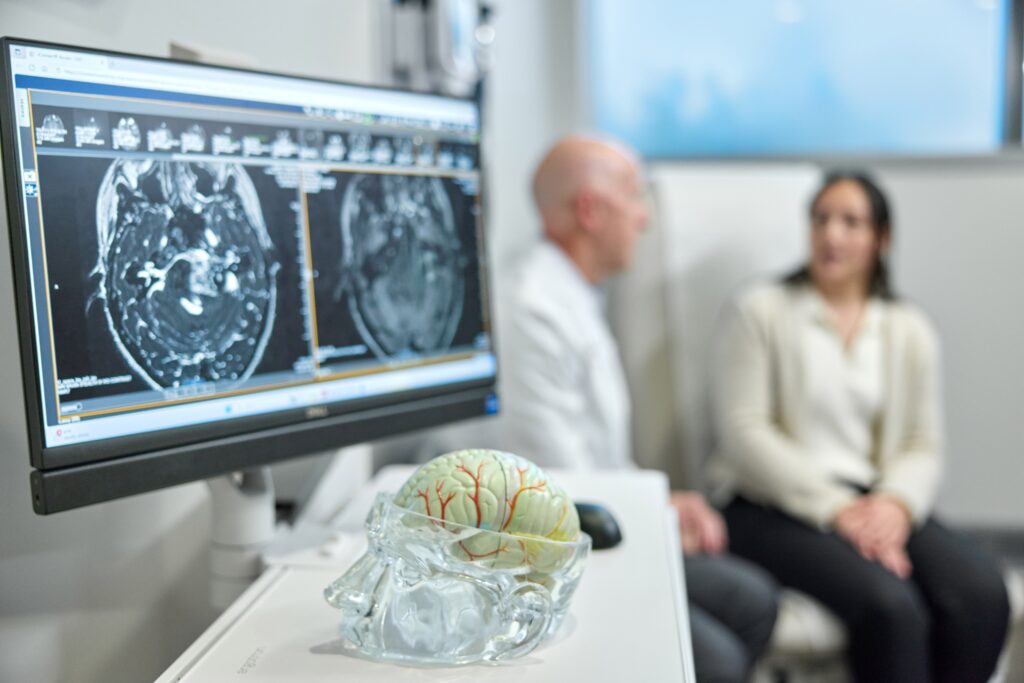
What is Intracranial Hypotension?
Intracranial hypotension occurs when the fluid pressure that cushions your brain and spinal cord—called cerebrospinal fluid (CSF)—is too low. This can happen if there’s a small leak along the spine or, rarely, at the base of the skull. Causes can include small tears in the membrane covering the spinal cord (dura), leaks from nerve root pockets along the spine, or rare connections between arteries and veins known as spinal fistulas. Sometimes it occurs spontaneously or after procedures such as lumbar punctures or epidurals.
Common Symptoms
Symptoms vary, but the most common include:
- Headaches that worsen when standing and improve when lying down (orthostatic headaches)
- Neck pain or stiffness
- Dizziness, brain fog, or difficulty concentrating
- Numbness or tingling in the hands
- Vision or hearing changes in rare cases
Our Treatment Approach
At WashU Medicine, we take a step-by-step, team-based approach to diagnose and treat intracranial hypotension. Our goal is to relieve symptoms safely and effectively.
- Accurate Diagnosis: We start with a thorough review of symptoms and advanced imaging to locate any cerebrospinal fluid (CSF) leaks.
- Initial Treatment: Many patients benefit from a non-targeted epidural blood patch, a minimally invasive procedure that helps seal the leak and relieve headaches.
- Targeted Treatment: If the leak is clearly identified, we may provide a precisely placed blood patch, sealant, or minimally invasive procedure tailored to the patient’s needs.
- Follow-Up Care: Our team carefully monitors progress to ensure lasting improvement and comfort.
This approach combines advanced technology, expert care, and personalized treatment to help patients get back to their daily lives as quickly as possible.
Why Choose Us?
Our team at WashU Medicine provides experienced, coordinated care for patients with low cerebrospinal fluid pressure. Choosing our program means:
- Access to advanced imaging and treatment options to accurately locate and repair CSF leaks
- Comprehensive support from a multidisciplinary team including neurosurgery, neuroradiology, and pain management specialists
- Personalized care focused on comfort, safety, and the best possible outcomes
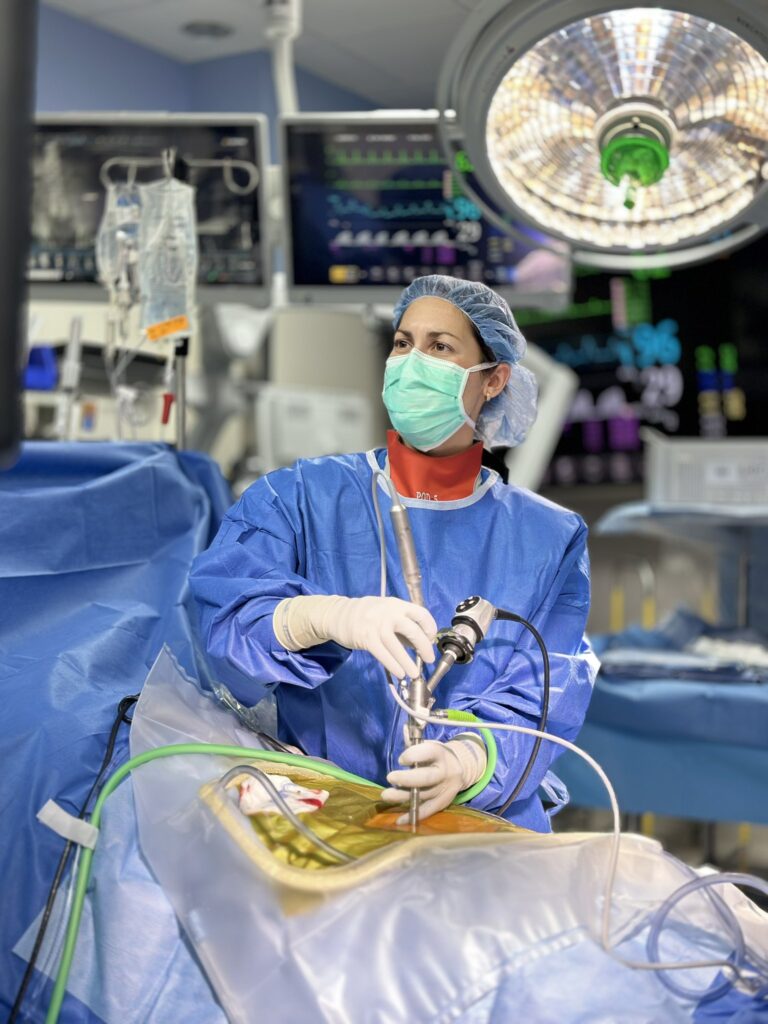
Our Team



Make an Appointment
To make an appointment by phone, or to speak with someone immediately, call our office directly. Our team is available to answer questions and guide you through every step of your care.